
Testing & Measurement
Isolation (Hipot) Test Measurement
Measure panel-to-ground insulation resistance under IEC 62446 to guarantee safety.
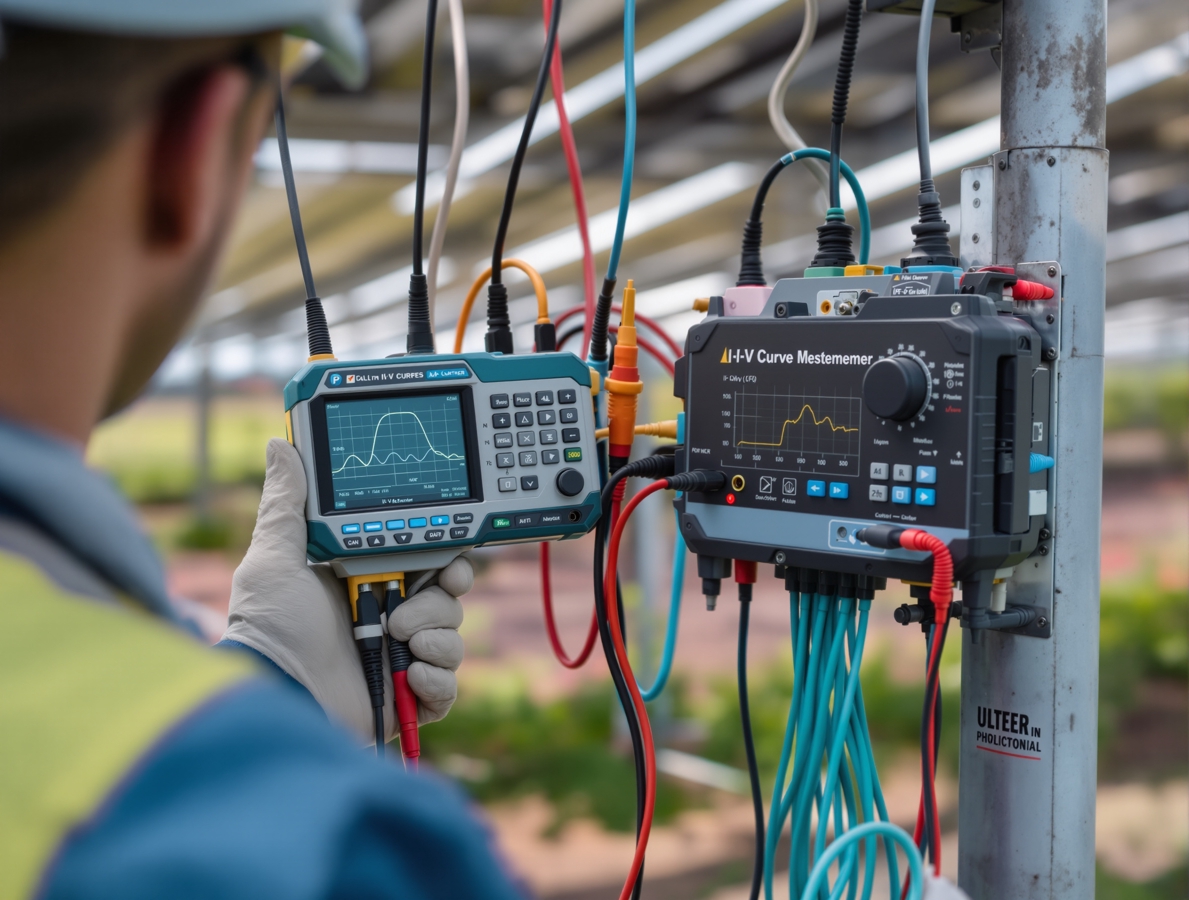
Solar panels are subjected to 1,000V to measure the insulation resistance between panel and ground. This is important both to prevent leakage and protect people, and to keep inverters from being disabled. Damage caused by EPC firms during cabling is also detected at this stage, which is critical at commissioning.
Why Is It Needed?
What Can You Learn?
Cable Damage
Detect whether there is any damage to your cables.
Phase-Ground Fault
Identify any phase-ground fault on the DC side of panels.
Insulation Resistance
Determine any problem affecting insulation resistance that would disable your inverter.
Scope
Why Is It Important?
Human Safety
Ensures safety of life and property against electrical leakage.
Equipment Protection
Prevents damage to inverters and other equipment.
Commissioning Assurance
Guarantees safe commissioning of the plant.
Technical Process
Measurement Process
- 01
Preparation
Preparing the strings and devices to be measured.
- 02
Voltage Application
Applying the specified voltage between panel and ground.
- 03
Resistance Measurement
Measuring the insulation resistance value.
- 04
Reporting
Reporting results in compliance with standards.
Methods & Outputs
Deliverables
Measurement Report
Report including insulation resistance values per string.
Compliance Assessment
Assessment of standard compliance.
Issue Detection
Reporting of detected leakage or faults.
FAQ
Frequently Asked Questions
The specified voltage is applied to reliably measure panel-to-ground insulation resistance in compliance with standards.
It is especially important at commissioning and during periodic inspections.
It reveals leakage, phase-ground faults and issues affecting insulation resistance.
Related Services
Other Services
Let's Plan Your Energy Project Together.
Evaluate your project with the NovaSolar engineering team and build the right solution together.